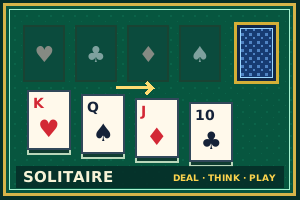
A familiar pack of cards
Microsoft included Windows Solitaire with Windows 3.0 in 1990. Its underlying game was Klondike, a version of patience that already existed away from computers. That familiarity mattered: a person could recognize playing cards before understanding an operating system. The Strong museum describes Microsoft choosing a game that users could immediately understand, with code initially written by intern Wes Cherry and card artwork by Susan Kare.
The mouse added a different kind of learning. Selecting a card, holding the button, moving it and releasing it at a destination made dragging and dropping part of ordinary play. Microsoft’s own thirtieth-anniversary account specifically says Solitaire helped people learn this technique. A card gave the pointer something recognizable to carry, and its arrival elsewhere on the screen made the result visible.
A spare-time beginning
The program’s origin was smaller than that educational role might suggest. In a KNKX interview, Cherry described writing the code on his own time while interning at Microsoft in 1988. The game that reached Windows users therefore began as an intern’s spare-time work, rather than arriving fully formed as an official lesson plan. Those are different parts of its history: how it was made, and what the finished product helped people do.
One discarded feature also says something about its intended surroundings. The Strong records a Boss Key that would replace the game with a fake spreadsheet. Microsoft removed it before release. The company was willing to ship a diversion, but the camouflage did not make the final package.
Beyond the first mouse lesson
Solitaire’s usefulness did not end when players learned to drag a card. A familiar, immediately available game could remain a destination in its own right. In 2019, The Strong inducted Microsoft Solitaire into its World Video Game Hall of Fame, recognizing its influence on the broader market for casual games.
The historical answer is therefore more specific than saying every bundled Windows game was a secret training course. Solitaire paired an established card game with direct manipulation on screen. Microsoft documents the learning benefit; Cherry’s account documents a personal beginning. Neither requires turning every later game into the same origin story.